Finally, someone at the top said it.
Roberto Rosetti, Uefa’s managing director for refereeing, has warned that VAR is becoming too “microscopic.” And if you truly understand football, you felt that word.
VAR was meant for clear and obvious errors. That was the deal. Objective decisions? Perfect. Offside lines. Goal-line calls. Factual mistakes. Technology shines there.
But football isn’t played in slow motion.
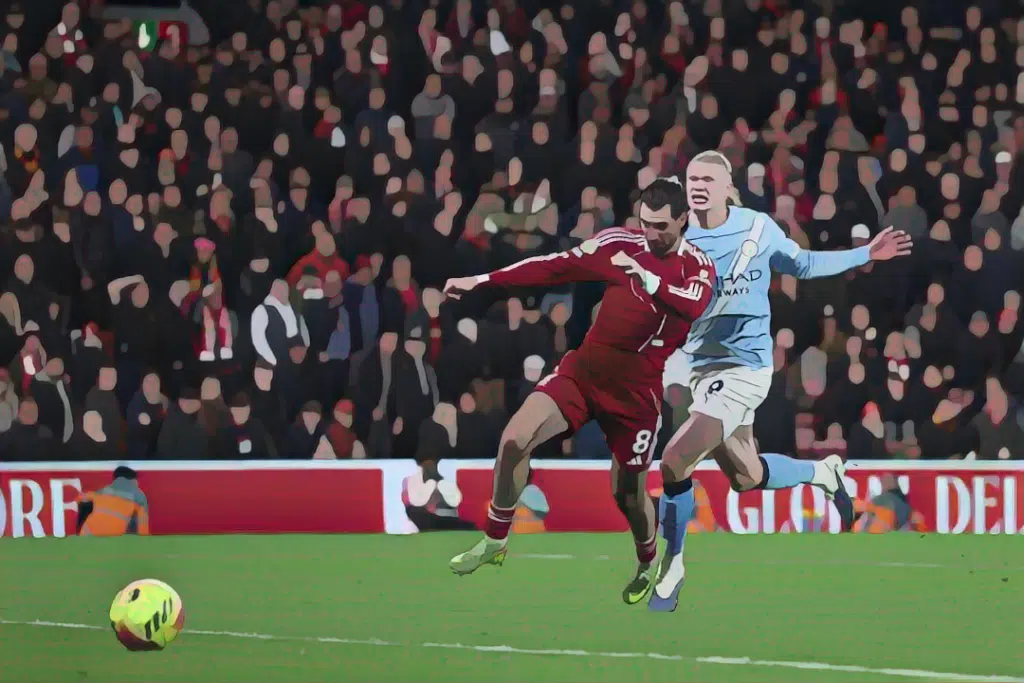
Rosetti hit the key issue when you freeze a moment and examine it frame by frame, everything looks worse. Every touch becomes a foul. Every handball looks deliberate. That’s not how the game flows. Football lives in real time, in instinct, in chaos.
We’ve shifted from correcting mistakes to searching for them.
Even with one of the lowest intervention rates in Europe, the Premier League still feels over-policed. That tells you the problem isn’t frequency it’s philosophy. The obsession with microscopic detail is draining emotion from the game.
And let’s be honest the media and fans demanded more intervention for years. “Where is VAR?” Now we’re asking it to step back. Rosetti quietly reminded everyone of that too.
The handball debate proves how far things have drifted. Interpretation, technology, and law are tangled together, and common sense feels lost. I touched on this in VAR, Offside, and the Real Scandal: Handball Has Lost Its Soul, because that’s where the real identity crisis sits.
IFAB now considering expanding VAR to corners and second yellow cards? That should make every old-school football brain uneasy.
Technology should protect football.
It should never control it.
Rosetti didn’t attack VAR. He simply reminded us what it was built for. Clear mistakes. Clear evidence. Nothing microscopic.
And that reminder felt like a breath of fresh air.