The World Cup has always sold itself as football’s greatest celebration a month where borders disappear, rivalries explode, and entire nations breathe through 90 minutes. But ahead of the 2026 tournament, another story is quietly dominating conversations behind the scenes: the brutal cost of simply being there.
For fans, ticket inflation is frustrating enough. For players’ families and national associations, though, it’s becoming something far uglier. Reports that several Football Associations are now paying close to $3,000 per ticket for additional allocations feel completely disconnected from what the World Cup is supposed to represent. This tournament belongs to the people. Or at least, it used to.
FIFA’s “adaptive pricing” model may make sense from a business standpoint. Demand is massive, the United States market is aggressive, and 500 million ticket requests practically guarantee chaos. But football has never thrived because it behaves like the Super Bowl or a luxury concert tour.
It thrives because it carries emotion ordinary people can touch. That emotional connection starts breaking the moment family members of players the people who sacrificed everything long before the cameras arrived are priced out.
Imagine being a player from a smaller football nation finally reaching the World Cup after generations of dreaming. Your mother, brothers, childhood coach, and closest friends should be there without your federation needing to burn through tournament funds just to get them inside the stadium.
Instead, many smaller FAs are now staring at unexpected costs that could damage their entire tournament budget. That’s not just unfair it damages the spirit of international football itself.
The timing also makes the situation feel worse. FIFA recently increased qualification funding to $12.5 million and added travel support, which on paper sounds generous. But if federations are being forced into outrageous ticket spending because of late-stage pricing surges, some of that financial relief disappears immediately. Bigger football nations might survive it. Smaller federations won’t feel the same comfort.
And let’s be honest: fans can see through the logic being used. When resale tickets on FIFA’s own marketplace are sometimes cheaper than official primary-market tickets, the entire pricing structure begins to feel detached from reality. Add the extra commissions on top, and it’s no surprise many supporters are turning toward secondary markets instead.
What makes this especially painful is that the 2026 World Cup should have been football’s ultimate people’s tournament. Forty-eight nations. Massive stadiums. North America hosting the game on an unprecedented scale. It had the ingredients to become the most inclusive World Cup ever. Instead, the discussion keeps drifting toward affordability, exclusivity, and corporate economics.
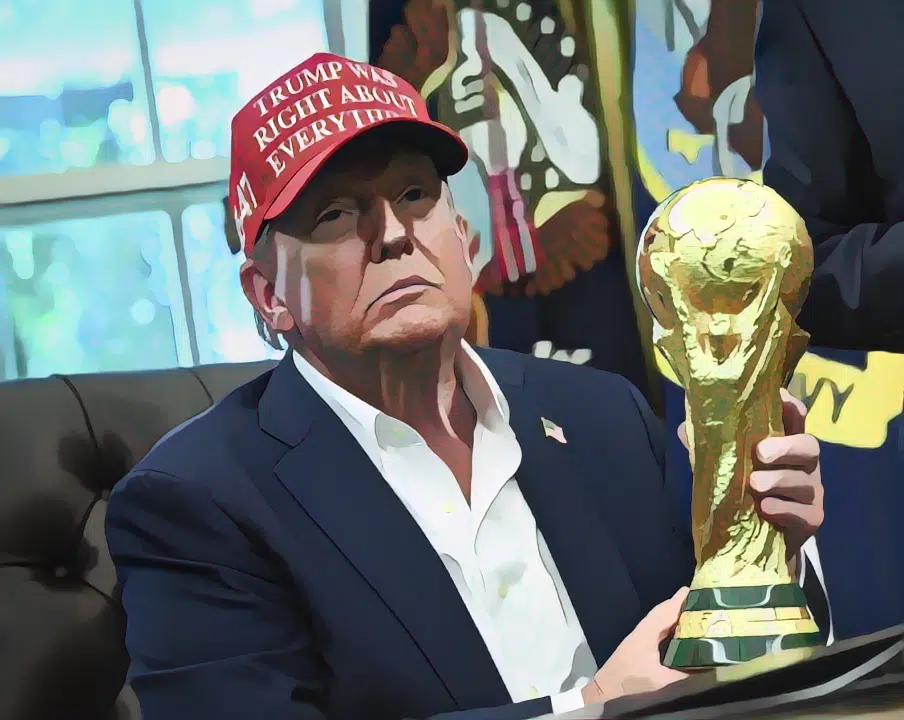
Even Donald Trump’s blunt “I wouldn’t pay that” comment struck a nerve because millions of fans quietly agree. Football supporters understand expensive hospitality packages. They understand premium experiences. What they don’t understand is why ordinary access keeps drifting further away from ordinary people.
There’s also something emotionally tone-deaf about making players’ families navigate this mess. Footballers spend their entire lives chasing the World Cup. Many come from modest backgrounds. Parents work extra jobs. Friends help them travel to youth matches. Entire communities carry these players emotionally for years.
When the biggest moment finally arrives, those same people are suddenly treated like luxury consumers instead of part of the journey.
That contradiction is impossible to ignore.
The saddest part is that the football itself will still be magical. Packed stadiums in Los Angeles, New York, Dallas, Toronto, and Mexico City will create unforgettable moments. The atmosphere will probably be incredible. But modern football keeps creating this uncomfortable divide where the game grows bigger financially while feeling smaller emotionally.
Fans are starting to notice.
This situation also connects perfectly with the wider concerns surrounding accessibility and football economics.
And maybe that’s the real issue here.
Football became the world’s game because it welcomed everyone. Rich clubs, poor neighborhoods, giant nations, tiny islands — everyone shared the same dream. Once attending a World Cup starts feeling like entering an exclusive financial club, the tournament risks losing part of its soul.
No dynamic pricing algorithm can calculate that loss.