The World Cup was supposed to become bigger, louder, and more global. That was the dream when FIFA expanded the tournament to 48 teams. More nations, more stories, more fans.
But right now, with the 2026 World Cup almost here, football’s biggest competition still doesn’t have TV deals locked in for India and China two countries that together hold more than a third of the planet’s population.
That should terrify football fans.
For years, FIFA believed expanding the tournament would pull giants like India and China closer to the game. Instead, broadcasters in both countries are refusing to meet FIFA’s asking price. And honestly, you can understand why. In India, cricket eats everything alive.
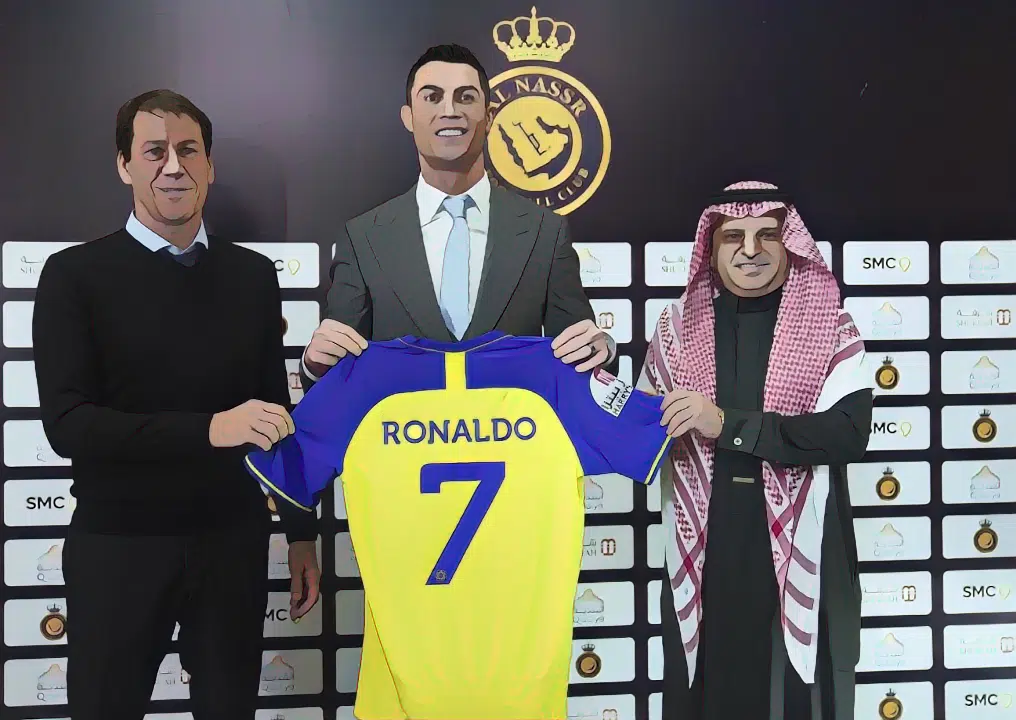
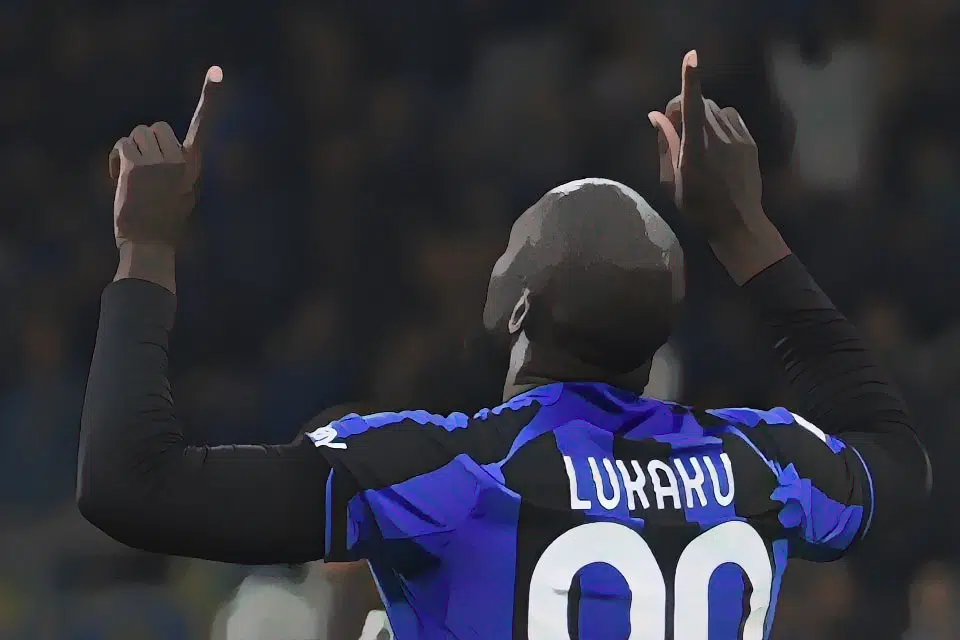
The IPL still dominates attention even during weak seasons, and broadcasters are nervous about paying millions for late-night group games featuring teams casual fans barely know. Messi and Ronaldo still pull crowds, but even that era is slowly fading.
China’s situation feels even colder. The national team remains miles away from qualifying, kickoff times are brutal, and younger fans already know how to bypass restrictions online to watch matches however they want. FIFA expected massive money. Broadcasters offered reality instead.
The dangerous part for FIFA is not just the delay it’s the message. If India and China can wait until the last moment and still force huge discounts, other markets will notice too. Suddenly the World Cup doesn’t look untouchable anymore.
And that’s where football fans start worrying. Because once the business side begins squeezing every last dollar out of the game, the connection between the tournament and ordinary supporters weakens.
The World Cup was never built only on billion-dollar rights deals. It was built on kids staying awake at 2am, families crowding around televisions, and entire streets exploding when a goal hits the net. That feeling matters more than boardroom negotiations ever will.
Modern football keeps pushing toward exclusivity, subscriptions, and corporate control, and sometimes it feels like the sport is drifting away from the people who made it sacred in the first place.
That tension is impossible to ignore now, especially when you see what’s happening behind the scenes before 2026. When the World Cup Stops Belonging to the People
Because no matter how many teams FIFA adds, a World Cup without accessible fans is just a tournament wearing the mask of football’s greatest celebration.